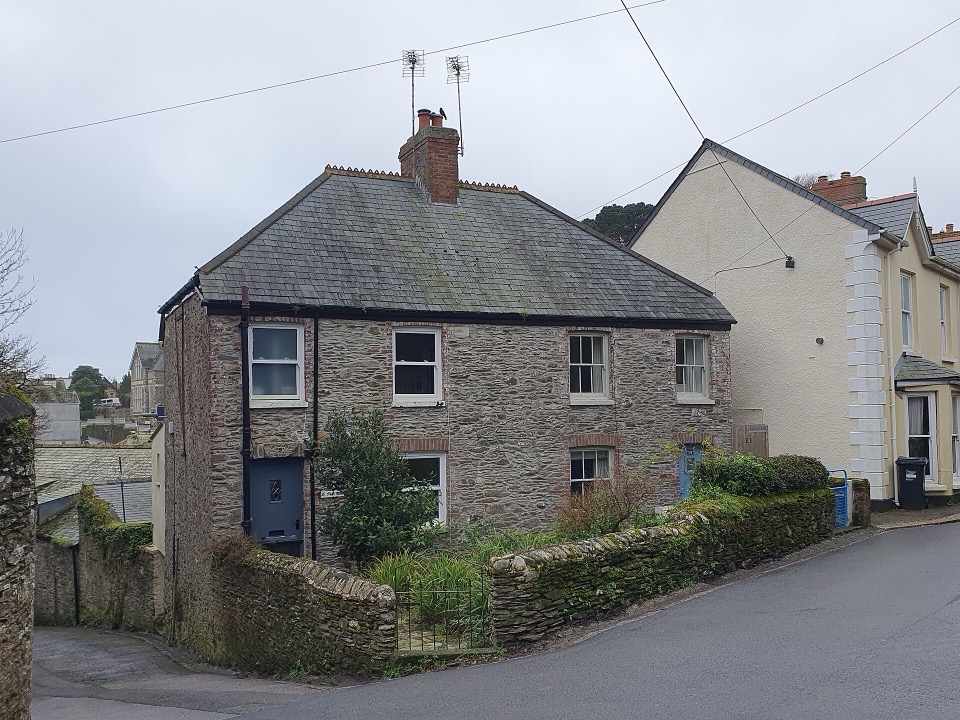
A surface and planning check
We tell you whether the rules cover the wall, roof or ground you have in mind.
Read this oneChecked againstThe 2026 rules
You getA yes or a no
Plug-in Solar England / Questions
Short answers, and a source for each where one exists.
Usually not. Solar equipment on a house or a block of flats is covered by a permitted development right, within size limits. Those rules changed on 27 August 2026.
Not under the new rules. They exclude plug-in solar on a wooden wall, a balcony or timber cladding, for houses and blocks of flats alike. That is the opposite of how these kits are sold, and it is the first thing we check.
200 mm of projection where the surface abuts a highway, and 400 mm everywhere else. A pitched roof keeps the panel under the ridge within that same 200 mm, and a flat roof holds it within 600 mm of the roof.
You need planning permission and listed building consent, and the council can give you pre-application advice if you ask early.
Manufacturers have to type test the device and register it on the ENA Type Test Register, and get confirmation it was assessed as compliant, before putting it on the market. If you cannot find the kit on the register, nobody has assessed it.
The mains side stops at 800 VA and 3.5 A. One inverter carries four modules at most, two of them in series at most, and the modules behind it can total 2000 W. Past 960 W of modules the specification advises a professional assessment.
Not within this specification. Plug-in battery systems and solar devices integrated with batteries are outside what it covers, so a kit sold with a battery is not in the approved class.
No. The specification names extension cables, multi-way adaptors, RCD adaptors and travel adaptors as things a device must never be plugged into.
Your distribution network operator, within 28 days of installation, on a short online form asking for your name, email and installation address.
We name it for your region and confirm it by postcode. You can also call 105 free from anywhere in England and be put through to it.
No. The current network connection requirements allow one device per household.
An 800 W device on an ideal south facing roof pitch models at 897 kWh a year in the South East and 689 kWh in the North West, with the other seven regions in between. The figures come from PVGIS, at 14 per cent system losses with nothing shading the panel.
A frame on open ground at about 30 degrees is within roughly 1 per cent of the roof figure. A vertical south facing wall gives about 70 to 75 per cent of it, and an east or west wall about half.
No. Your saving depends on what the house is drawing while the panel works, and because batteries sit outside the approved class there is nothing to store the surplus in.
Give us the postcode and the material the surface is made from. We will tell you where that leaves you.
Check my postcodeWe tell you whether the rules cover the wall, roof or ground you have in mind.
Read this one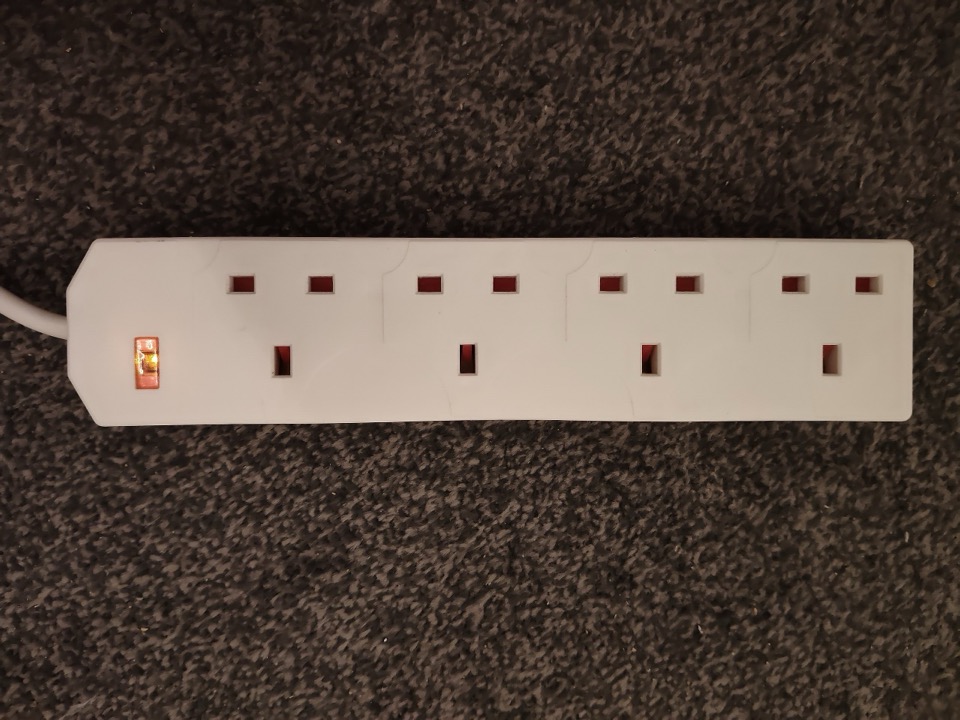
An electrician near you fits the socket and checks the circuit.
Read this one
We name the network operator for your region and send the notification with you.
Read this onePostcode and region. We'll name your operator and check the rules.
Name, email, postcode, the region you're in, and where the panel would go. We email back with your operator, the rules for that spot, and what it should make in a year.