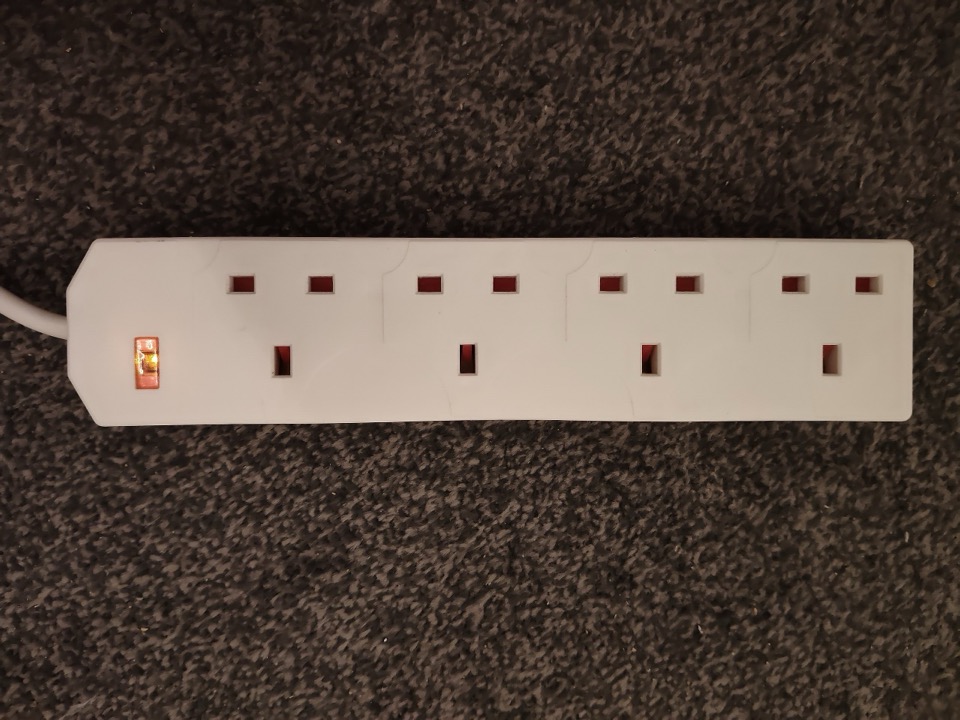
Fitting, and an outdoor socket
An electrician near you fits the socket and checks the circuit.
Read this oneOutdoor socketIP55 or better
Per householdOne device
Plug-in Solar England / Surface and planning check
England's guidance is the only one in the UK that names plug-in solar. We check where the panel would go against it before anyone quotes.
The permitted development right for solar equipment on a house or a block of flats was rewritten on 27 August 2026, the day the new regulations came into force. It sets out what you can put up without applying for planning permission.
Both versions are live until 27 August 2027, so a surface that fails the new test may still pass the old one. After that date only the new version counts.
This is the part that catches most people out, and it is the reason we look at the surface first. The new rules exclude plug-in solar on a wooden wall, a balcony or timber cladding, for houses and for blocks of flats alike. Almost every kit on sale is sold as a balcony kit.
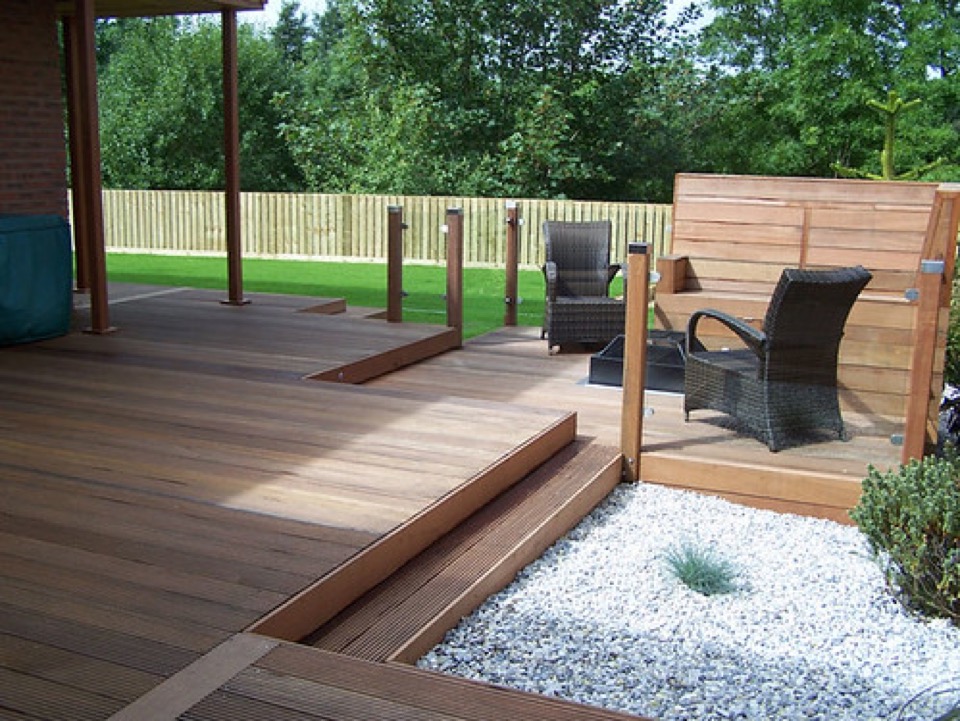
Timber cladding, weatherboard, a timber deck rail and a balcony are all surfaces the right leaves out. Where the panel would fix to one of them, you are looking at a planning application rather than a purchase.
If your walls are brick, stone, render or pebbledash, this exclusion does not apply to you and the size limits above are what matters.
We ask you for the postcode, the region and what the surface is made of. From that we work out which rule applies to that face of the house, whether the projection limit is 200 mm or 400 mm, and whether the address is in a conservation area or has a listing that changes the answer.
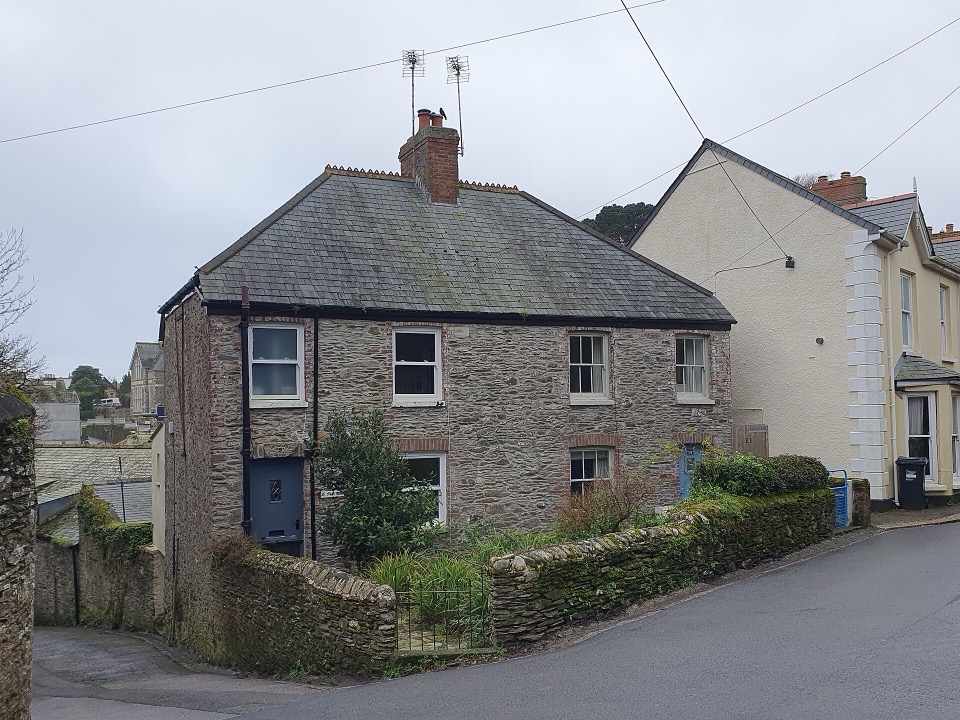
A wall like this one is covered by the right, so long as the panel keeps inside the projection limit for that face of the house.
We also ask where the socket is. That decides whether an electrician is needed, which is covered on the fitting page.
You get an email that says whether the right covers your surface, what the limits are for that face of the house, and what a panel would generate in your region on that mounting. When the answer is no, you get the reason in the same email.
We do not take commission from any manufacturer, so there is nothing riding on the answer being yes.
Usually not. The permitted development right covers solar equipment on a house or a block of flats within the size limits above. Where the right does not apply, for example on a timber wall or a balcony, you would need to apply.
Being in a conservation area or a World Heritage Site costs you the highway facing wall. Other faces of the house may still be covered, and that is what we look at.
Either one, until 27 August 2027. You can work to the version in force before 27 August 2026 or to the new version. From then on the new version is the only one.
Give us the postcode and the material the surface is made from. We will tell you where that leaves you.
Check my postcodeAn electrician near you fits the socket and checks the circuit.
Read this one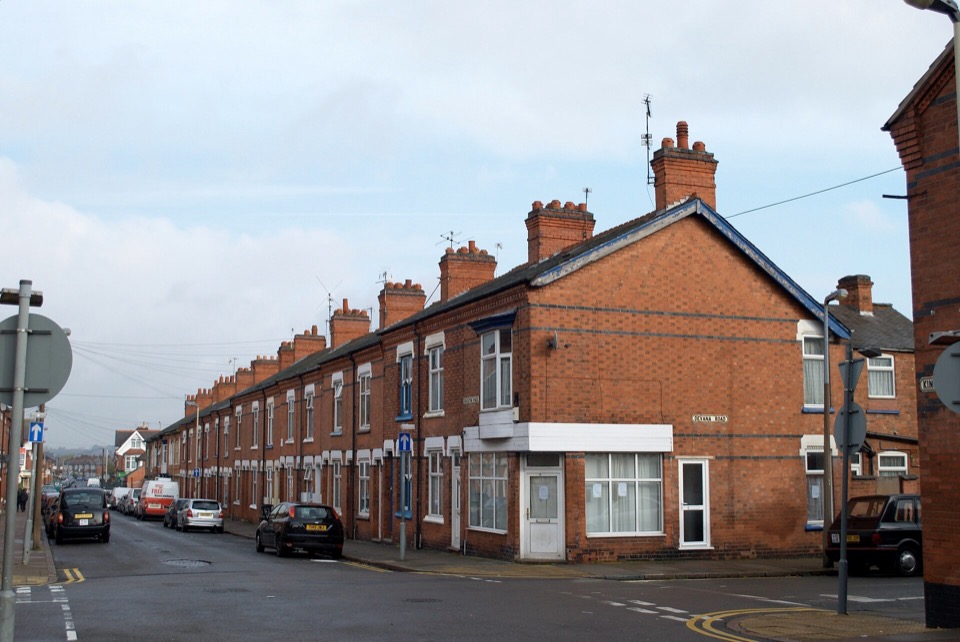
We name the network operator for your region and send the notification with you.
Read this onePostcode and region. We'll name your operator and check the rules.
Name, email, postcode, the region you're in, and where the panel would go. We email back with your operator, the rules for that spot, and what it should make in a year.