A surface and planning check
We look at the surface you have in mind and tell you whether the permitted development right reaches it.
What we checkChecked againstThe 2026 rules
You getA yes or a no
England has nine regions and nine electricity licence areas, and its planning guidance is the only one in the UK that names plug-in solar. Pick your region, tell us your postcode and the spot you have in mind, and we'll come back with your operator, the rules, and a realistic figure.
Name, email, postcode, the region you're in, and where the panel would go. We email back with your operator, the rules for that spot, and what it should make in a year.
The permitted development right for solar on a house or a block of flats was rewritten on 27 August 2026.
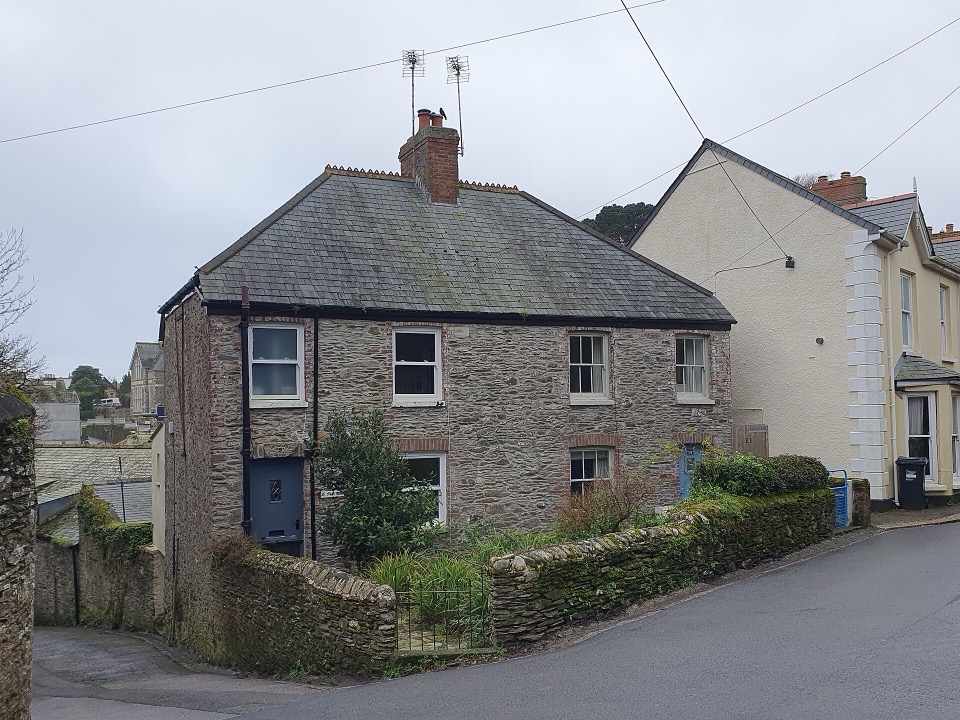
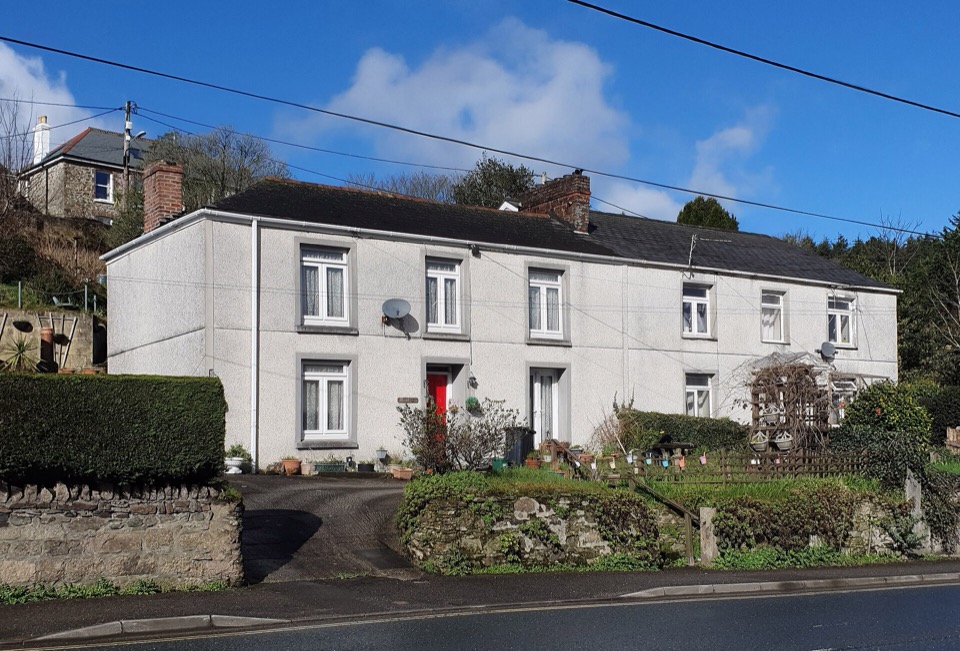
A device fixed to a wooden wall, to timber cladding or to a balcony falls outside the new rules. If that is what you have, the right does not reach it and you would need planning permission.
The rest of the rules are about size and position. We check them for you before anyone quotes, because a device on the wrong surface is a planning application, not a purchase.
The old rules stay available until 27 August 2027. Either version is allowed in the meantime, the one in force before that date or the new one.
Three jobs, the same in every region. You can ask for one of them or all three.
We look at the surface you have in mind and tell you whether the permitted development right reaches it.
What we check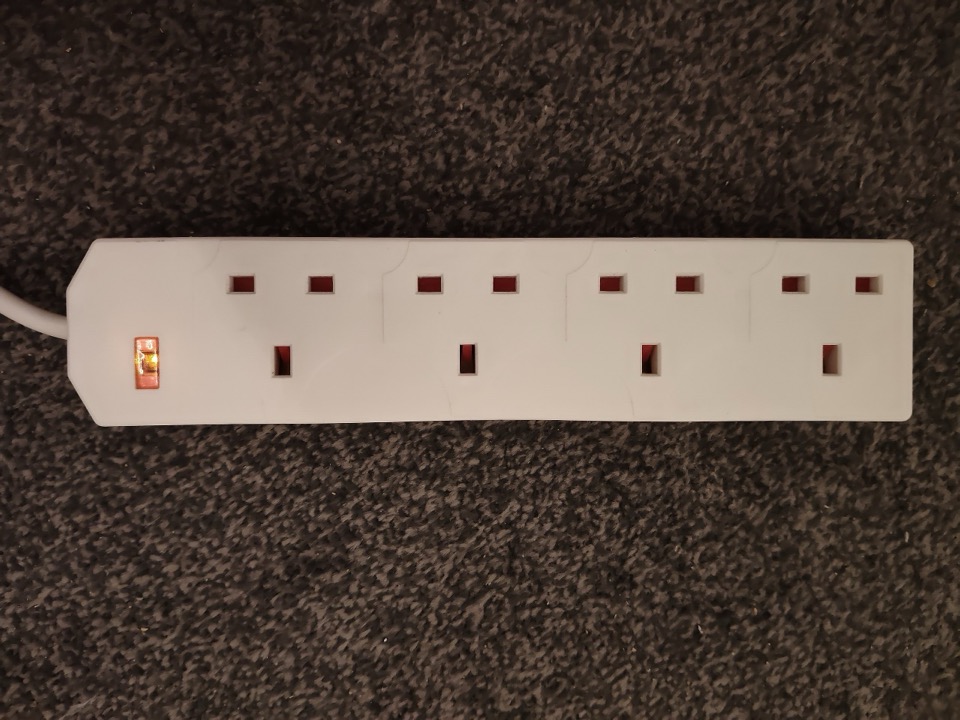
You can plug the device in yourself. If the socket has to be outside, an electrician near you fits one that is rated for it.
How fitting works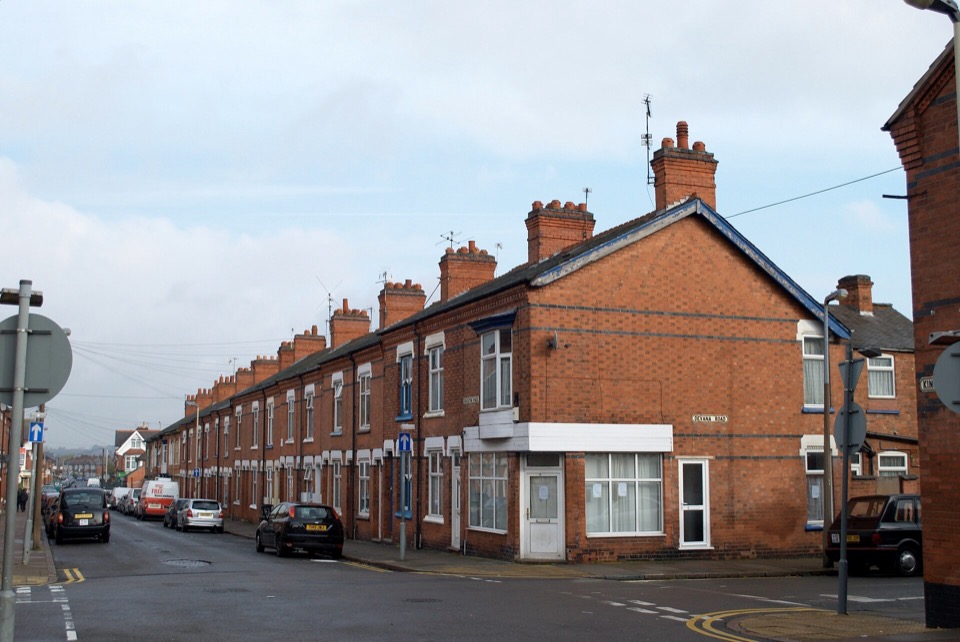
We name the network operator for your postcode and fill in the notification with you once the panel is in.
Find your operatorEach region has its own network operator and its own figure for what a panel makes in a year. The bars compare an ideal south facing roof pitch across England.
Northern Powergrid (Northeast) plc
Electricity North West Limited, and SP Manweb plc in Merseyside and Cheshire
Northern Powergrid (Yorkshire) plc
National Grid Electricity Distribution (East Midlands) plc
National Grid Electricity Distribution (West Midlands) plc
Eastern Power Networks plc, part of UK Power Networks
London Power Networks plc, part of UK Power Networks
South Eastern Power Networks plc and Southern Electric Power Distribution plc
National Grid Electricity Distribution (South West) plc
The licence areas here are a working map. Confirm yours on your operator’s own postcode checker, or call 105 free from anywhere in England and you will be put through to the right one.
These are modelled figures for an 800 W device with 14 per cent system losses and nothing shading it. The range covers all nine English regions.
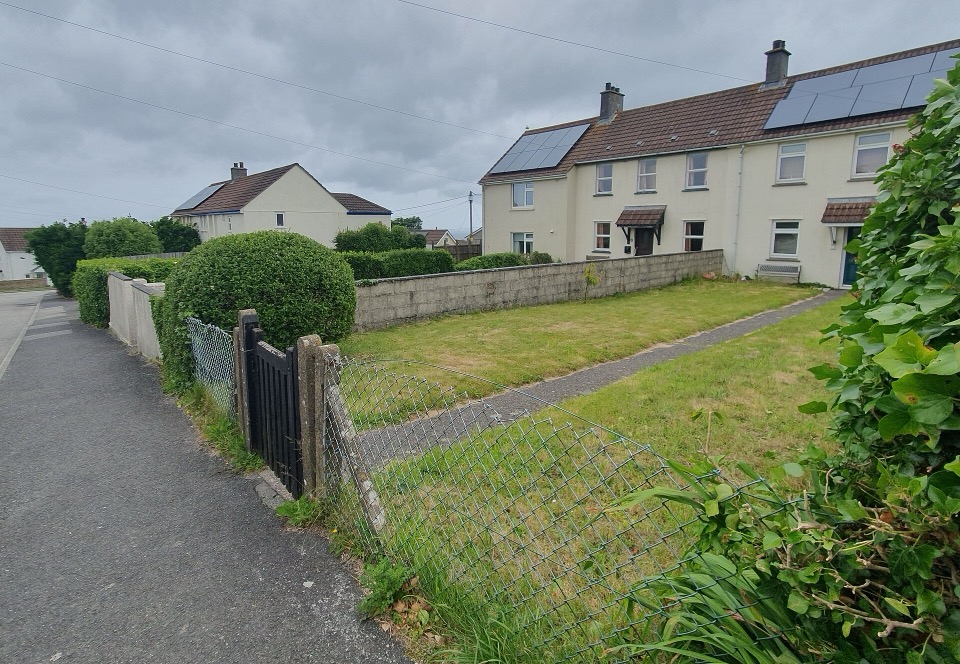
The best of the three, at about 35 degrees. It is also the one most likely to need a scaffold and an electrician.
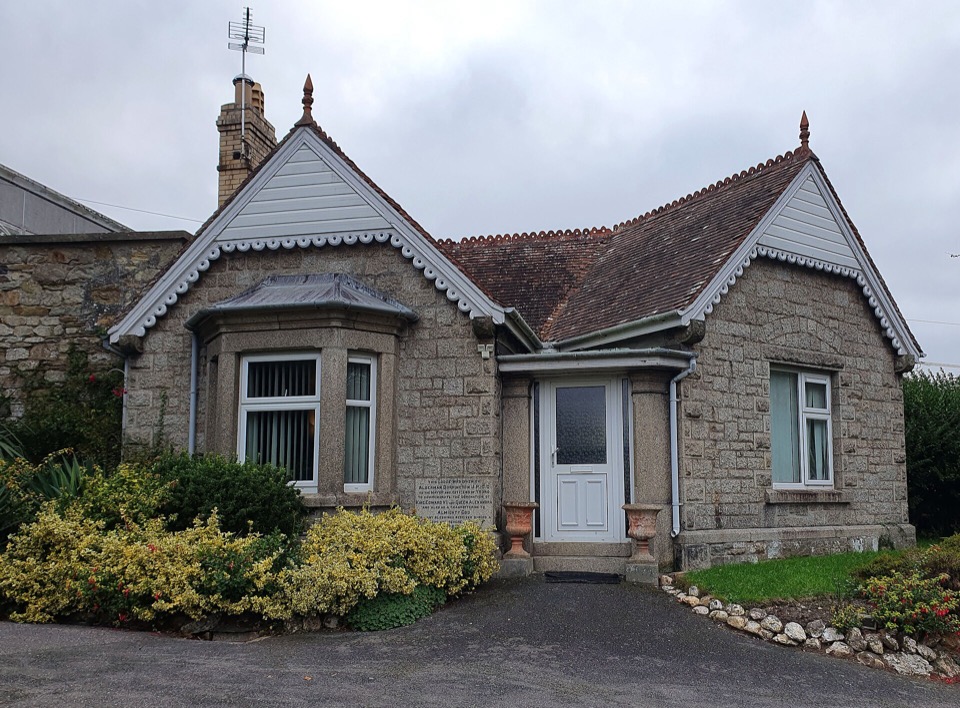
A frame in the garden at about 30 degrees comes within roughly 1 per cent of the roof figure, and you can reach it without a ladder.
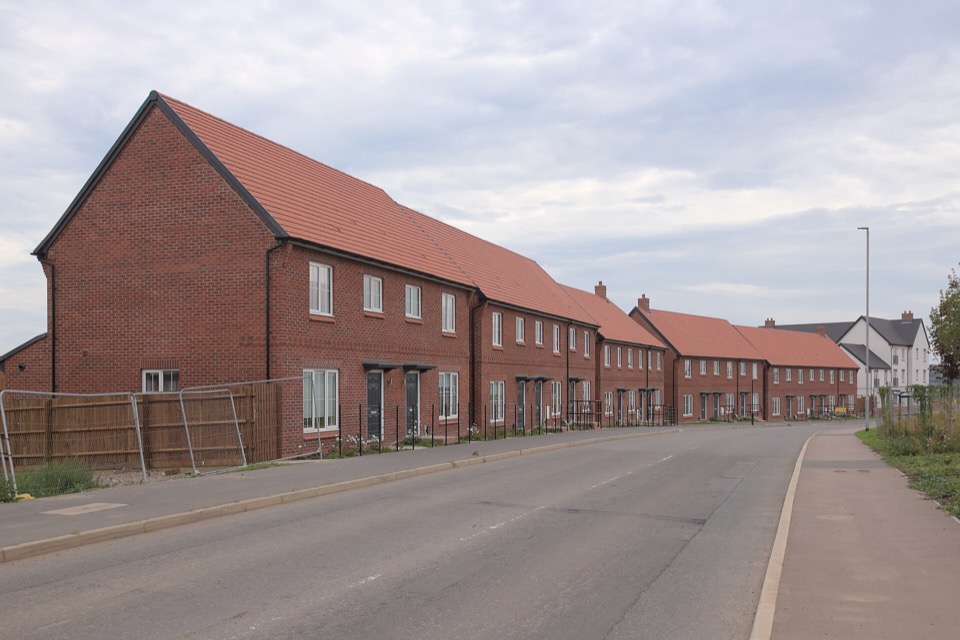
A vertical south facing wall gives roughly 70 to 75 per cent of the roof figure. An east or west wall drops to roughly half.
A region is not a point, so treat these as a ceiling rather than an expectation. Shade from a tree or a neighbour’s roof takes more off than the difference between two regions.
Four steps, in this order.
Postcode, region, and what the surface is made of.
We tell you whether the permitted development right covers that surface at your house.
An electrician near you quotes for the socket and the fitting if you need either.
Within 28 days of it going in, a short form goes to the operator with your name, email and address.
You get the answer for that surface, the operator for your postcode, and the yearly figure for your region. That includes hearing no when the answer is no.
Check my postcode